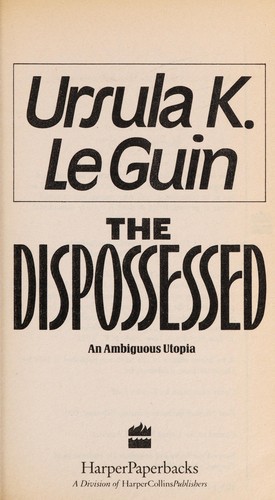
vxnxnt reviewed The Dispossessed by Ursula K. Le Guin
This novel is not about a utopia
5 stars
At first I thought this novel was going to have a setting of utopia versus dystopia. However, the book goes much deeper than that. There isn't actually any kind of utopia presented really, because the book critically engages with the "utopian" anarchist society and interestingly highlights possible conflicts and issues within such a society as well. Philosophical themes are also explored in dialogue between characters, discussing moral dilemmas and societal issues, arguably making the dialogue the best part of the book with the world building being a close second.
Throughout the whole book you can also see conflict of opposing concepts, such as capitalism and socialism, rich and poor, past and present, individuality and society, hierarchy and anarchy, and the possessed and the dispossessed. Even the protagonists scientific theories attempt to unite two opposing concepts of time.
Altogether, an incredible book I cannot recommend enough, and unexpectedly funny …
At first I thought this novel was going to have a setting of utopia versus dystopia. However, the book goes much deeper than that. There isn't actually any kind of utopia presented really, because the book critically engages with the "utopian" anarchist society and interestingly highlights possible conflicts and issues within such a society as well. Philosophical themes are also explored in dialogue between characters, discussing moral dilemmas and societal issues, arguably making the dialogue the best part of the book with the world building being a close second.
Throughout the whole book you can also see conflict of opposing concepts, such as capitalism and socialism, rich and poor, past and present, individuality and society, hierarchy and anarchy, and the possessed and the dispossessed. Even the protagonists scientific theories attempt to unite two opposing concepts of time.
Altogether, an incredible book I cannot recommend enough, and unexpectedly funny at times too!